Table of Contents
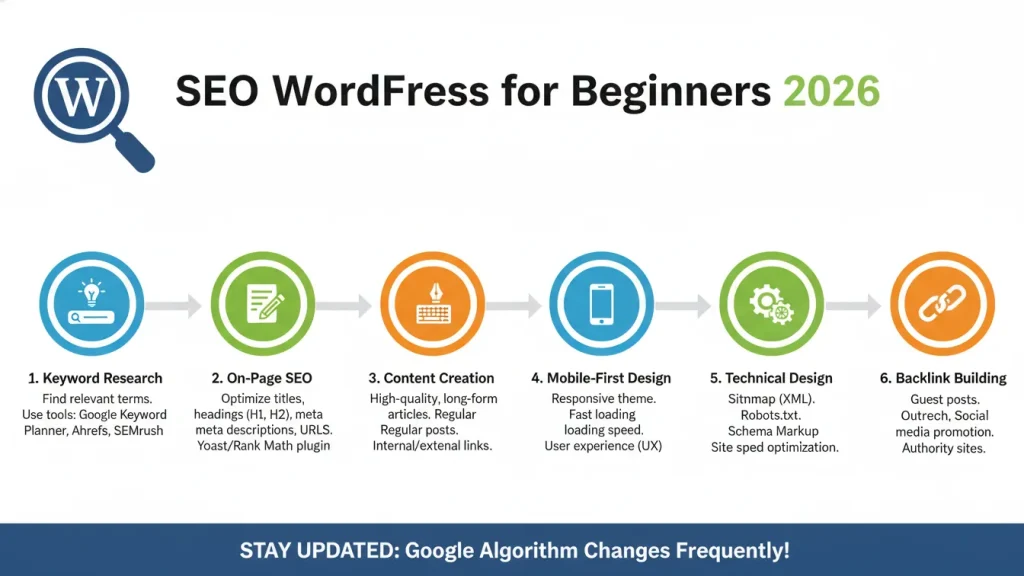
Small spaces have a special kind of charm. At first, they can feel limiting, yet once you learn how to arrange things thoughtfully, they often feel calmer and more personal than large rooms. Building and growing a WordPress website works in a similar way. You do not need endless pages or complex systems. What you need is intention, balance, and care. Many people ask how to SEO WordPress website because they want their work to be seen without losing its personality. That desire makes sense. When SEO feels confusing, it helps to approach it gently, one thoughtful step at a time. In this article, we will talk about how to SEO WordPress website in a way that feels natural, manageable, and friendly for creators and small businesses around the world.
1. Foundational Setup That Sets the Mood
SEO Before you move furniture into a small apartment, you check the walls, lighting, and layout. In the same way, SEO begins with foundational setup. This stage often feels quiet, yet it matters more than people realize.
At this point, focus on a few essentials:
- Check visibility settings in WordPress so search engines can find your site
- Choose SEO-friendly permalinks that feel clear and human
- Install an ssl certificate early so trust is built from the start
Helpful references include check visibility settings, seo friendly permalinks, and install an ssl certificate.
When these basics sit in place, everything else flows more smoothly.
2. SEO Friendly Theme and Hosting Choices
Your theme and hosting shape how your site feels, much like flooring and wall colors shape a room. An seo friendly theme and hosting choice keeps things light and calm. Pick a theme that loads quickly and avoids clutter. Simple layouts often age better and feel easier to navigate.
Hosting plays a quiet role, yet it supports everything:
- Reliable servers reduce downtime
- Consistent performance keeps pages loading smoothly
- Visitors stay longer when the experience feels stable
Resources like wpbeginner hosting guides explain this clearly for beginners.
Given these points, if you wonder how to SEO WordPress website effectively, remember that strong foundations often hide in plain sight.
3. Choosing the Right SEO Plugin
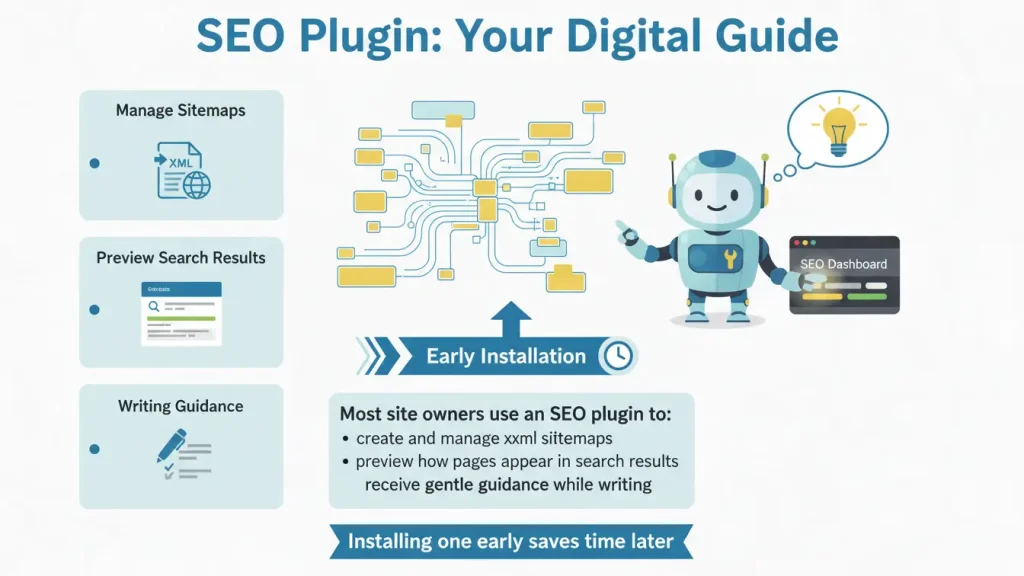
An SEO plugin acts like a helpful friend who reminds you where things go. It does not do the work for you, but it guides your choices. Popular plugins help you manage page titles and meta descriptions, generate sitemaps, and spot small issues before they grow.
Most site owners use an seo plugin to:
- Create and manage xml sitemaps
- Preview how pages appear in search results
- Receive gentle guidance while writing
As a matter of fact, installing one early saves time later.
4. WordPress SEO Checklist for Everyday Clarity
A WordPress seo checklist works like a daily tidy up. It does not need to feel strict or overwhelming. Instead, it helps you remember the essentials.
This usually includes:
- Generate and submit a sitemap
- Check indexing for important pages
- Review page titles and meta descriptions regularly
Guides from ahrefs seo basics explain why this routine matters.
All things considered, this routine keeps your site healthy and supports how to SEO WordPress website over time.
5. WordPress SEO Keyword Research Tips That Feel Natural
Keyword research often sounds technical, yet it can feel quite intuitive. Think about how people talk when they search. What questions would they ask if they sat across from you?
A calm approach to keyword research includes:
- Listening to real questions from clients or readers
- Using tools to confirm demand
- Choosing phrases that feel specific and helpful
When you respect the reader first, search engines usually follow.
6. On-Page SEO and Content Strategy That Feels Human
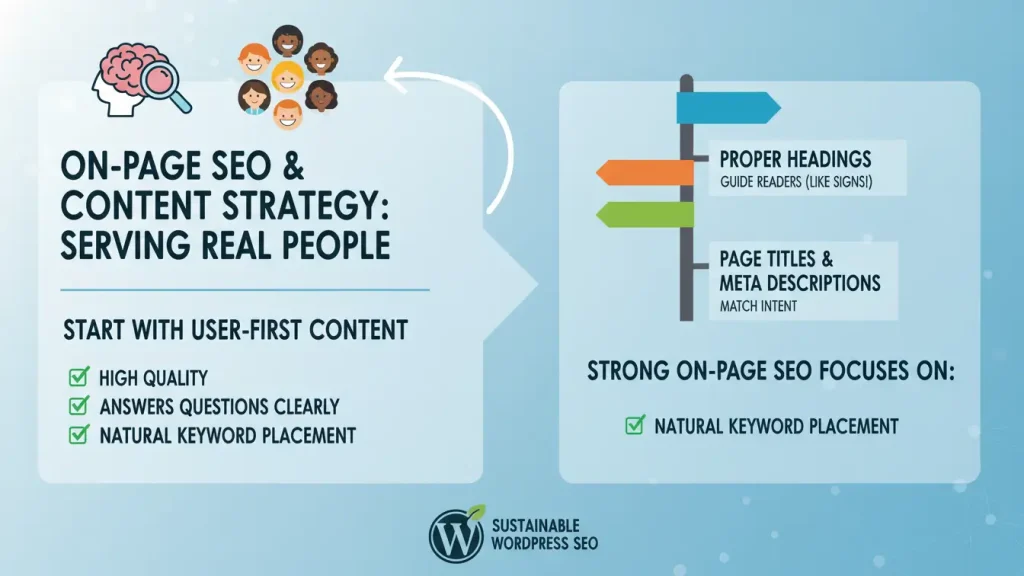
On-page SEO and content strategy works best when it serves real people. Start with high quality, user first content that answers questions clearly. Use proper headings to guide readers through the page, much like clear signs in a small space.
Strong on-page SEO often focuses on:
- Clear headings that break content into sections
- Page titles and meta descriptions that match intent
- Natural placement of keywords
This approach sits at the heart of how to SEO WordPress website in a sustainable way.
7. Writing Content That Feels Lived In
Good content feels like a room someone actually uses. It shows care, not perfection. Write in a voice that sounds like you, using examples from real experiences.
Readers respond well when content:
- Feels honest and conversational
- Explains ideas simply
- Avoids heavy or forced language
Over time, this builds trust and authority naturally.
8. Optimize Images Without Losing Warmth
Images bring life to a site, just as textures bring comfort to a room. However, large images can slow things down. optimize images by compressing them and adding descriptive alt text that makes sense.
Image optimization usually includes:
- Compressing file sizes
- Writing clear alt text
- Naming files descriptively
In effect, these small steps improve speed and clarity.
8. Implement Internal Linking for Easy Flow
Internal linking feels like creating pathways between rooms. Implement internal linking to guide readers from one idea to another naturally.
This works best when you:
- Link related posts where it makes sense
- Avoid forcing links into sentences
- Think about the reader journey
Search engines also learn which pages matter most.
9. WordPress Speed Optimization Tips for Calm Browsing
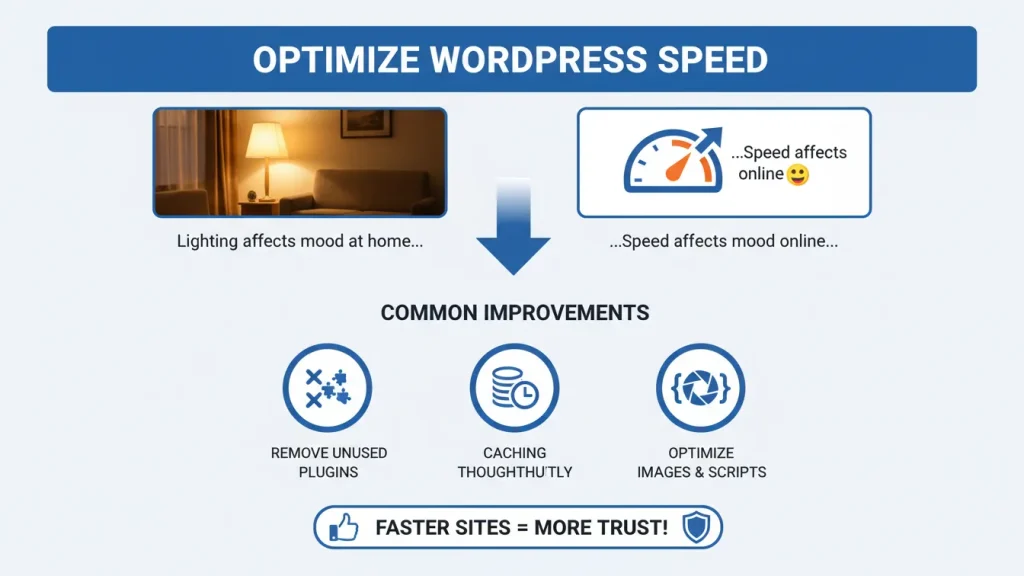
Speed affects mood online just as lighting affects mood at home. WordPress speed optimization tips often start with reducing clutter.
Common improvements include:
- Removing unused plugins
- Using caching thoughtfully
- Optimizing images and scripts
Visitors tend to trust sites that respond smoothly.
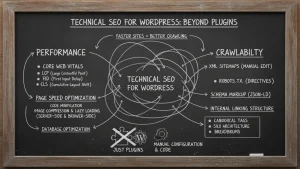
10. Ongoing Management and Technical SEO
SEO does not end once a page goes live. Ongoing management and technical SEO keep your site healthy over time.
Regular maintenance often involves:
- Fix broken links
- Implement redirects correctly
- Schema markup
- Keep everything updated
These habits prevent larger problems later.
11. Measuring Progress Without Stress
Tracking progress should feel informative, not stressful. Use analytics tools to see what resonates. Look for patterns rather than obsessing over daily changes.
Pay attention to:
- Pages that attract steady traffic
- Content that keeps readers engaged
- Opportunities for gentle improvement
SEO grows gradually, with patience.
12. Staying Aligned With Your Style and Purpose
It is easy to chase trends and forget your own voice. However, staying aligned with your style keeps your site cohesive.
This means:
- Choosing strategies that fit your goals
- Avoiding advice that feels forced
- Letting SEO support your message
How to SEO WordPress website becomes less about rules and more about thoughtful choices.
13. A Thoughtful Way Forward
Growing a WordPress site through SEO does not require constant hustle. Instead, it invites steady care, curiosity, and creativity. Treat your website like a small space you love living in. Adjust things as you learn more. Refresh content when it feels dated. Experiment gently and observe results. When you approach how to SEO WordPress website with patience and intention, the process feels less technical and more personal. Over time, your site becomes a place people return to because it feels clear, useful, and welcoming. That quiet confidence often matters more than chasing quick wins.
FAQ
a. How long does it take to see SEO results on a WordPress website?
SEO usually takes a few weeks to several months. Results depend on content quality, competition, and how consistently SEO practices are applied.
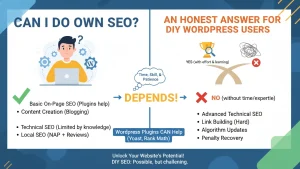
b. Do I need an SEO plugin to optimize my WordPress site.
An SEO plugin helps manage basics like meta descriptions and sitemaps, but real results come from content quality and proper structure.
c. Is WordPress good for SEO for small businesses?
Yes. WordPress offers flexibility, clean structure, and strong plugin support, making it suitable for long term SEO growth.
d. How important is website speed for WordPress SEO?
Speed affects user experience and rankings. Faster sites keep visitors engaged and support better search visibility.
e. Can beginners handle WordPress SEO without technical skills?
Yes. By focusing on setup, content clarity, and simple optimization steps, beginners can improve SEO gradually.